Darknet Markets 2026:
The dark web is part of the deep web but is built on darknets: overlay networks that sit on the internet but which can't be accessed without special tools or software like Tor. Tor is an anonymizing software tool that stands for The Onion Router — you can use the Tor network via Tor Browser.
| Darknet Market | Established | Total Listings | Link |
|---|---|---|---|
| TorZon Market | 2022 | 140+ | Onion Link |
| Nexus Market | 2024 | 600+ | Onion Link |
| Abacus Market | 2022 | 100+ | Onion Link |
| Ares | 2026 | 100+ | Onion Link |
| Cocorico | 2023 | 110+ | Onion Link |
Updated 2026-10-16
Safe and Reliable Shopping on the Darknet
The darknet's marketplace structure has evolved to prioritize transactional security and consumer satisfaction, directly addressing the inherent challenges of anonymous commerce. This is primarily achieved through sophisticated vendor rating systems that function as a decentralized form of quality control. After each completed sale, buyers are encouraged to leave detailed feedback on their experience, scoring the vendor on critical metrics.
These metrics typically include:
- The accurate description of the product's quality and weight
- The stealth and discretion of the packaging
- The promptness of shipping
- The overall clarity of communication
This cumulative feedback creates a transparent and publicly accessible reputation for each seller. Vendors with consistently high ratings and positive reviews are prominently featured on the marketplace, attracting more business. Conversely, those with poor feedback or reports of underweight packages or misrepresented products are quickly identified and ostracized by the community, effectively removing bad actors from the ecosystem. This self-regulating mechanism ensures that reliable vendors thrive, which in turn guarantees a higher standard of product purity and consistency for buyers than is typically available through traditional street markets. The system efficiently reduces uncertainty, creating a safer and more predictable environment for all participants.
Safe Shopping on the Darknet with Crypto
The darknet's reliance on cryptocurrency is fundamental to its operational security, but the true mechanism that builds trust and ensures transactional integrity is a sophisticated system of quality control and vendor ratings. These systems function as a decentralized form of consumer protection, directly linking a vendor's reputation to their commercial success.
Every marketplace features a structured feedback mechanism where buyers post detailed reviews and assign a rating, typically out of five stars, after a transaction is completed. This feedback covers critical aspects such as:
- Product purity and accuracy of the description
- Stealth and discretion of packaging
- Promptness of shipping and overall communication
This collective intelligence is then aggregated into a public vendor profile, creating a transparent and constantly updated performance history. A vendor with a high rating and a long history of positive feedback is incentivized to maintain these standards to continue attracting business. Conversely, a new or poorly rated vendor must either improve their service or face commercial failure. This creates a self-regulating environment where market forces naturally promote reliability and high-quality products, as consumers can make informed choices based on the documented experiences of others, reducing uncertainty and fostering a surprisingly efficient and safe marketplace for all participants.
How Encryption Builds Trust on the Darknet
The operational security of darknet marketplaces is fundamentally dependent on advanced encryption protocols. These cryptographic systems protect all communications, ensuring that private messages between buyers and vendors concerning product specifics, delivery addresses, and transaction details remain entirely confidential and inaccessible to any third party. This creates a secure environment for commerce.
This security framework is directly linked to the quality control mechanisms that define these platforms. Vendor rating systems serve as a transparent and self-regulating form of accountability. A seller's reputation is built upon consistent performance, measured through detailed buyer feedback on:
- Product purity and accurate weight
- Stealth and discretion of packaging
- Timeliness of delivery
- Overall professionalism in communication
This direct feedback loop incentivizes vendors to maintain high standards, as a single negative review can significantly impact future sales. The encryption that protects these reviews guarantees their authenticity, making the feedback system a reliable source of information. Consequently, the market naturally favors established vendors with long-standing positive reputations, effectively weeding out unreliable or dishonest actors. This combination of cryptographic security and a crowdsourced reputation model fosters a surprisingly efficient and safe ecosystem for transactions, aligning vendor success directly with customer satisfaction and product quality.

Quality and Choice on the Darknet
The darknet facilitates a marketplace with an unprecedented range of pharmaceutical and recreational substances, far exceeding the limited and unpredictable selection typically found through traditional street dealers. This diversity is made possible and sustainable by two core mechanisms: vendor rating systems and a community-driven focus on quality control.
Platforms host competing vendors who must maintain high user feedback scores to remain competitive. Every transaction is subject to public review, where buyers detail their experience and, crucially, the verified purity of the product received through at-home testing kits. A vendor with consistently negative reviews for selling misrepresented or adulterated products is quickly identified and boycotted, their reputation irreparably damaged. This creates a powerful economic incentive for honesty.
The feedback loop creates a self-regulating environment where reliability and product accuracy are the primary currencies. Vendors often include detailed chemical analysis reports from third-party testing services with their listings to provide objective proof of content and potency, a practice unheard of in offline illicit markets. This direct accountability between buyer and seller, enforced by transparent ratings, ensures that the wide variety of available substances is matched by a consistent standard of quality and safety for the consumer.
Better Quality from Trusted Vendors
The quality of substances available on darknet markets frequently surpasses that of typical street-level offerings. This is a direct result of the competitive and transparent environment fostered by the platform's design. Unlike anonymous street transactions, darknet markets operate on a system of vendor ratings and detailed feedback.
Vendors build their business on reputation. Each sale is followed by a public review where buyers rate the product's purity, accuracy of weight, and overall service. A vendor with consistently poor reviews or who sells adulterated products is quickly identified and boycotted, leading to a loss of income. This creates a powerful economic incentive to maintain high standards.
The feedback system provides a form of crowdsourced quality control. Potential buyers can read dozens of previous experiences before making a purchase. This transparency allows for informed decision-making and reduces the risk of receiving misrepresented or dangerous products. The expectation of a public review encourages vendors to be precise and honest in their product descriptions.
This self-regulating mechanism ensures that reliable vendors thrive while unreliable ones are pushed out of the marketplace. The result is a more predictable and safer consumer experience where product quality is a primary metric for success.

How Vendor Ratings Build Trust on the Darknet
Vendor rating systems form the backbone of trust and reliability on darknet marketplaces. These platforms operate on a principle of radical transparency where every transaction is subject to public review. After a sale is finalized, buyers are encouraged to leave detailed feedback on multiple aspects of the experience.
This feedback typically includes ratings for:
- Product quality and accuracy of the description
- Stealth and professionalism of packaging
- Speed and reliability of shipping
- Overall communication with the vendor
This collective intelligence is aggregated into a public vendor score, creating a powerful self-regulating mechanism. Sellers with consistently high ratings and a long history of transactions gain trusted vendor status, which is visually highlighted on their profile. This system incentivizes vendors to maintain high standards, as their reputation directly influences their sales volume and profitability. The result is a market that efficiently polices itself, weeding out dishonest actors and promoting vendors who demonstrate consistency and quality, thereby significantly reducing the risk for consumers.
How Darknet Markets Meet Buyer Needs
Darknet marketplaces function with a remarkable degree of efficiency by implementing systems that mirror legitimate e-commerce platforms. The core of this operational effectiveness is the vendor rating system, a continuous feedback mechanism where buyers rate their purchases based on product quality, shipping speed, and communication. This creates a transparent and self-regulating environment where high-performing vendors are rewarded with more business, while those providing inferior products or service are quickly identified and marginalized.
This direct accountability fosters a competitive market where quality control is paramount. Vendors have a strong economic incentive to maintain high standards, as their reputation and income depend on consistent positive reviews. The feedback is not limited to a simple score; detailed comments provide specific information about product purity, accurate weight, and stealth of packaging. This collective intelligence reduces uncertainty for the buyer, streamlines the decision-making process, and ensures a reliable and predictable transaction, effectively meeting consumer demand with a efficiency rarely found in offline illicit markets.
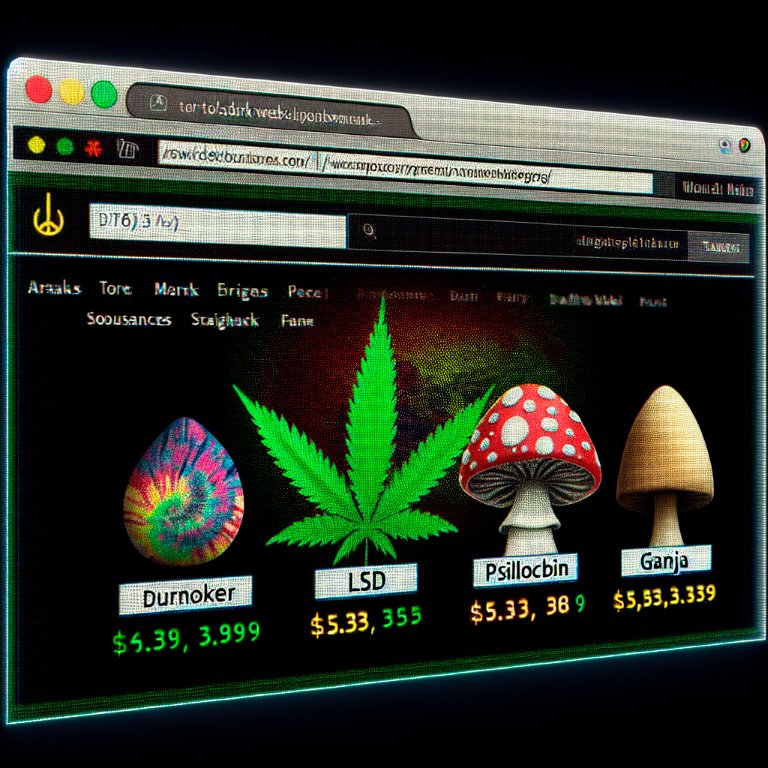
How Darknet Markets Ensure Quality and Trust
The economic activity on darknet marketplaces is driven by sophisticated systems of quality control and vendor ratings, which function as a self-regulating mechanism to foster trust and efficiency. Unlike unregulated street markets, these platforms utilize a transparent feedback loop where buyers post detailed reviews on the purity, accuracy of weight, and stealth of shipping for each purchase.
This direct accountability incentivizes vendors to maintain high standards, as their commercial survival depends on their reputation. A vendor with consistently positive feedback and a high rating attracts more business, creating a competitive environment where product quality and reliable service are the primary commodities. The rating system effectively reduces uncertainty for the buyer, who can make informed purchasing decisions based on the documented experiences of previous customers.
This environment minimizes the risk of financial loss and ensures a more predictable and secure transaction for all parties involved. The result is a streamlined digital economy that efficiently meets consumer demand by rewarding reputable sellers and marginalizing those who provide inferior products or service.